Your Health
Who really needs testosterone?
August 10, 20265:00 AM ET, Heard on Morning Edition
By Will Stone. 3-Minute Listen, Transcript
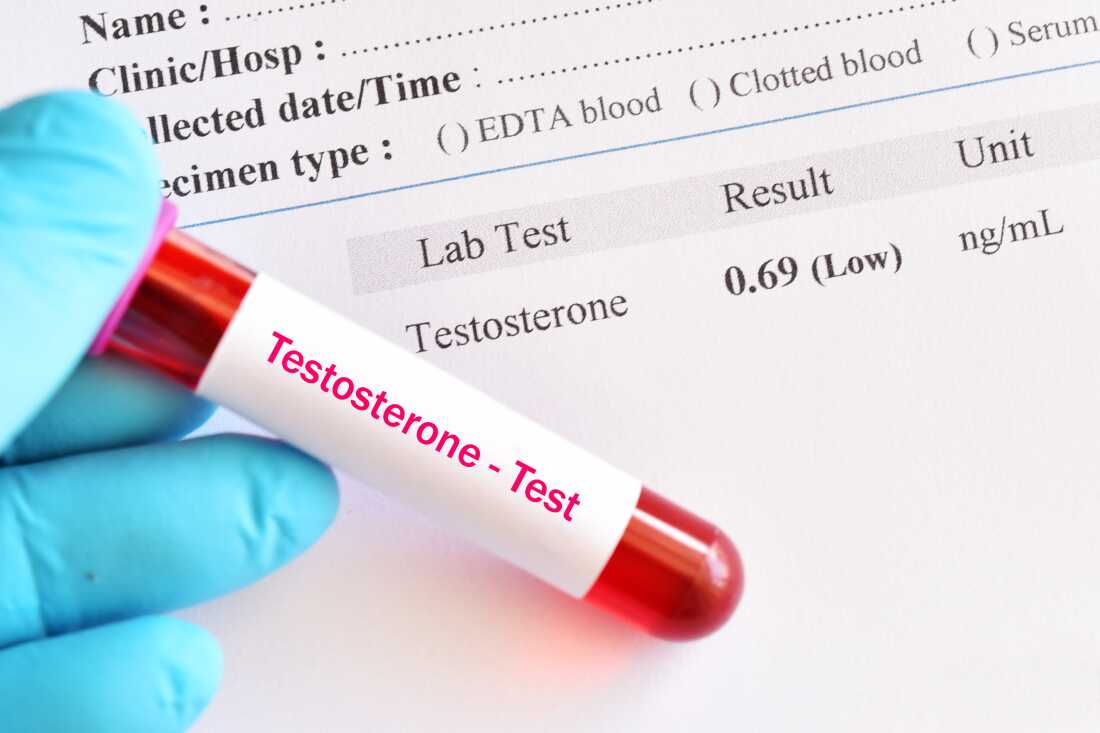
A few times, Dr. Jamin Brahmbhatt suspected he might have low testosterone.
But when he checked his numbers, he discovered they were within a normal range.
“Turns out it was more so my sleep and stress and everything else,” says Brahmbhatt, a urologist at Orlando Health in Florida.
Brahmbhatt treats men with low testosterone every day — meaning he’s on the front lines of the current cultural fixation with testosterone.
Social media is overflowing with testosterone content, from fears of “low T” to “T-maxxing” tutorials. Influential voices, including the podcaster Joe Rogan and Health Secretary Robert F. Kennedy Jr., are openly discussing their own use of testosterone therapy. And there’s a huge industry of online clinics that make it easy for anyone to get a prescription.
Brahmbhatt welcomes the increased attention to men’s health — and hormone replacement therapy specifically — which he says has been “ignored” for too long.
But he also sees men who’ve spent hours in online forums like Reddit, convinced they need testosterone even before they’ve spoken to a doctor or had their levels tested. “Not every guy needs to be on it,” Brahmbhatt says.
“Testosterone has gotten a bad rap because … you can walk into these clinics, go online, and get a prescription, they don’t do all the testing, they don’t do the follow up. That is the unsafe territory.”
Health – What’s behind the push to get more men on testosterone?
What are the symptoms of low testosterone?
Testosterone is a sex hormone, but its effects on physiology extend well beyond reproduction. It’s also involved in metabolism, bone health, muscle mass, red blood cell production and brain function.
Experts in the field emphasize that it’s a powerful indicator of overall health.
“When levels are low and men are symptomatic, it’s not just a testosterone issue, but a men’s health issue,” says Dr. Helen Bernie, director of Sexual and Reproductive Medicine at Indiana University.
Brahmbhatt says what’s challenging is symptoms of testosterone deficiency, technically known as “hypogonadism,” can easily be attributed to other causes. They include depressed mood, fatigue, reduced libido, weight gain and trouble concentrating.
The underlying causes for low testosterone vary.
It can be due to some rare medical conditions, like certain genetic disorders or disorders of the pituitary gland. Testosterone also gradually declines with age. But Bernie says there are often other contributing factors in younger and middle-aged men beyond aging, like obesity, diabetes, sleep apnea, drug use and other medical conditions.
Calls for increased access to testosterone
Testosterone therapy has long been overshadowed by doping scandals and concerns about anabolic steroids in sports and bodybuilding.
Increasingly, messaging from online clinics and influencers emphasizes wellness, athletic performance, longevity and improved focus.
Bernie worries about some of these claims.
“The goal of testosterone therapy isn’t peak performance,” says Bernie. “It’s not some drug to promise the fountain of youth. It is restoring normal physiology in men who have a true deficiency. I think it’s really important to separate marketing from actual medicine,” she adds.
The growing visibility of testosterone therapy reflects more than just a convergence of cultural forces and a booming market for these products — the Trump administration is making a concerted effort to expand access for men.
Under the Food and Drug Administration’s current criteria, testosterone therapy is only approved for men whose low levels can be traced to an identifiable medical condition. But the administration has signaled it wants to revise that so men with low testosterone — whatever the cause — can qualify for treatment, if they have low libido as a symptom.
The FDA also wants to remove language from the drug label that explicitly states the safety and effectiveness for “age-related hypogonadism” had not been established.
Read more: Testosterone is having a moment. But who actually needs it? – NPRContinue/Read Original Article: Testosterone is having a moment. But who actually needs it? : NPR
Discover more from DrWeb's Domain
Subscribe to get the latest posts sent to your email.